
Grilling season is upon us, and with it comes the excitement of firing up the grill and enjoying delicious meals outdoors. However, the joy of grilling can quickly turn into frustration if your BBQ tools are disorganized and hard to find. To ensure a hassle-free grilling experience, it’s essential to have a systematic approach to organizing your BBQ accessories. This guide will walk you through practical steps to streamline your grilling setup, making it easier to access your tools and enjoy your time outdoors.
Assess Your BBQ Tools
The first step in organizing your BBQ tools is to take stock of what you have. Gather all your grilling accessories, including spatulas, tongs, brushes, and thermometers, and lay them out in one place. This will give you a clear view of your collection and help you identify any duplicates or items that are no longer usable. Once you have everything in front of you, categorize your tools based on their function, such as cooking, cleaning, and serving. This categorization will make it easier to decide how to store them effectively.
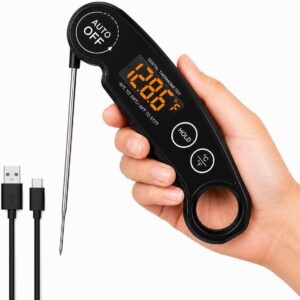
After assessing your tools, consider whether you need to invest in any additional accessories that could enhance your grilling experience. For instance, if you find that you lack a good meat thermometer, it might be worth purchasing one from grillessential.com. Having the right tools not only improves your grilling results but also contributes to a more organized setup, as each tool has its designated place.
Choose the Right Storage Solutions
Once you have categorized your BBQ tools, the next step is to choose appropriate storage solutions. Depending on your space and preferences, you can opt for toolboxes, hanging racks, or drawer organizers. A toolbox is a great option for those who prefer portability, allowing you to carry your tools to different grilling locations. On the other hand, a hanging rack can save space and keep your tools visible and easily accessible.
For those with limited outdoor space, consider using a rolling cart that can hold your BBQ tools and supplies. This cart can be wheeled out when it’s time to grill and tucked away when not in use. Whatever storage solution you choose, ensure that it is durable and weather-resistant, especially if it will be exposed to the elements. This will protect your tools and prolong their lifespan.
Implement a Cleaning Routine
Keeping your BBQ tools clean is crucial for maintaining their functionality and ensuring food safety. After each grilling session, take a few minutes to clean your tools thoroughly. Use warm, soapy water for metal tools and a gentle brush to remove any food residue. For wooden utensils, a simple wipe with a damp cloth is often sufficient. Regular cleaning will prevent the buildup of grease and grime, making your tools easier to use and store.
In addition to cleaning after each use, consider implementing a deeper cleaning routine at the end of the grilling season. This could involve soaking your tools in a vinegar solution to remove stubborn stains or rust. By taking the time to care for your BBQ accessories, you’ll ensure they remain in excellent condition for many grilling seasons to come.
Label and Maintain Your Organization System
Once you have organized and stored your BBQ tools, consider labeling your storage solutions. Labels can help everyone in the household know where to find and return tools, maintaining the organization you’ve worked hard to achieve. Use simple labels that indicate the contents of each box or drawer, making it easy to locate specific items when you need them.
Additionally, make it a habit to regularly review your organization system. As you acquire new tools or your grilling habits change, you may need to adjust your storage solutions. Set aside time at the beginning of each grilling season to reassess your setup and make any necessary changes. This proactive approach will help you maintain a hassle-free grilling experience year after year.
Step-by-step plan:
Step 1: Gather all your BBQ tools and categorize them by function. Step 2: Choose appropriate storage solutions that fit your space and preferences. Step 3: Implement a cleaning routine after each grilling session. Step 4: Label your storage solutions and regularly review your organization system.